

Window Glass Replacement
Company Description
Window Weatherproofing Tools To Improve Your Daily Lifethe One Window Weatherproofing Trick Every Person Should Learn
Window Weatherproofing: Ensuring Comfort and Energy Efficiency
As property owners seek to improve energy efficiency and convenience within their home, the significance of window weatherproofing can not be overstated. Weatherproofing windows is a critical action in avoiding drafts, water infiltration, and heat loss, contributing substantially to a home’s overall insulation. This post explores the numerous approaches and materials offered for window weatherproofing, the benefits of appropriate installation, and responses to regularly asked questions.
Comprehending Window Weatherproofing
Window weatherproofing includes techniques and materials that seal windows versus the components. By effectively managing air leakages and water penetration, house owners can preserve a comfortable indoor environment while lowering energy costs.
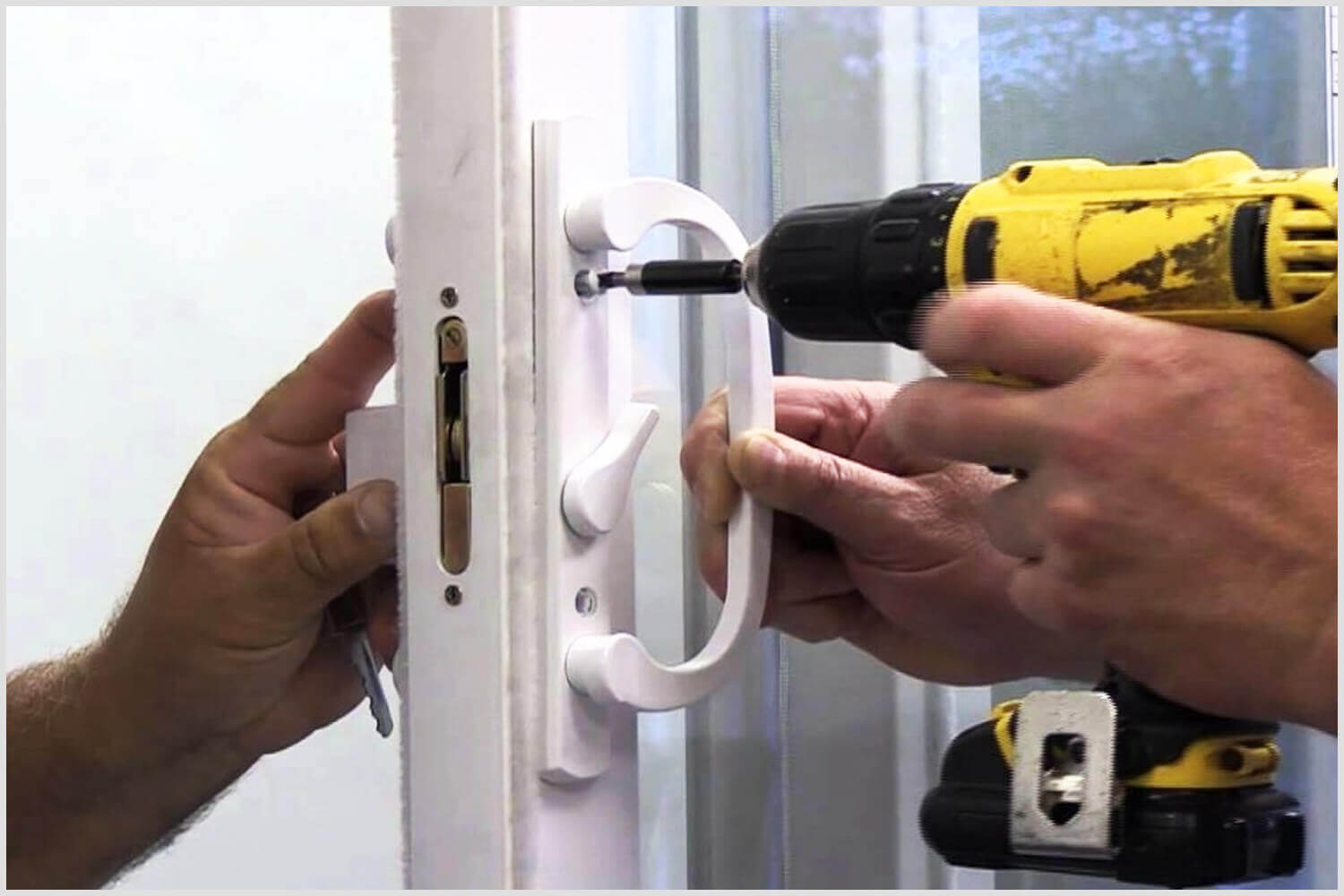
Benefits of Weatherproofing Windows
Weatherproofing deals numerous advantages for homes and their residents:
- Energy Efficiency: Reducing drafts and heat loss can lead to considerable cost savings on energy costs.
- Convenience: Improved insulation outcomes in a more consistent indoor temperature level.
- Defense from Moisture: Weatherproofing helps prevent water damage, mold development, and wear and tear of Window Security Bars frames and surrounding structures.
- Boosted Durability: By keeping moisture and drafts at bay, weatherproofing can extend the life expectancy of windows and their frames.
- Sound Reduction: Proper sealing can also help reduce outdoors sound, developing a quieter home environment.
Common Methods of Window Weatherproofing
There are several techniques readily available for weatherproofing windows, each with special materials and strategies. Homeowners can select to execute one or more of these techniques depending upon their particular requirements:
- Caulking: A versatile sealing substance applied to gaps and cracks around window frames to create a tight seal.
- Weatherstripping: A material placed around the edges of window sashes to block air leaks. Typical types include adhesive-backed foam, V-strip, and tubular rubber.
- Storm Windows: Additional windows installed either inside or outside existing windows to provide an additional layer of insulation and security from the aspects.
- Window Film: A thin plastic movie used to the interior glass to reduce heat loss and guard versus UV rays.
- Insulated Curtains: Heavy drapes created to trap air and keep cold or hot air from penetrating.
- Foam Sealant: Expanding foam utilized to fill larger spaces and cracks around window frames for a more extensive seal.
Step-by-Step Guide to Weatherproofing Windows
House owners can follow this step-by-step guide to successfully weatherproof their windows:
Materials Needed
- Caulk and caulking gun
- Weatherstripping
- Utility knife
- Determining tape
- Scissors
- Sponge (for cleaning)
- Window film (optional)
- Insulated drapes (optional)
Weatherproofing Process
-
Examine Windows: Examine windows for spaces and fractures. Search for signs of wetness damage, rot, or mold.
-
Tidy: Clean the surface area around the window frame with a sponge and let it dry completely. This guarantees correct adhesion of caulk and weatherstripping.
-
Apply Caulk:
- Load the caulk into the caulking weapon.
- Cut the nozzle at a 45-degree angle and puncture the inner seal.
- Apply caulk in a continuous, even line along the spaces and joints around the window frame.
-
Install Weatherstripping:
- Measure the sides of the Window Security Bars sash and cut the weatherstripping to size.
- Peel off the backing and press the weatherstripping firmly against the window frame.
-
Consider Storm Windows or Film: If additional defense is wanted, install storm windows or apply window movie according to the producer’s instructions.
-
Last Touches: Hang insulated curtains to enhance thermal performance and reduce energy costs even more.
Maintenance of Weatherproofed Windows
To ensure the effectiveness of weatherproofing efforts, routine maintenance is important. House owners need to examine windows a minimum of once a year, looking for:
- Cracked or weakening caulk
- Wear and tear on weatherstripping
- Signs of moisture infiltration
Tips for Maintaining Weatherproofing
- Reapply caulk in areas where it has actually split or diminished.
- Replace worn or harmed weatherstripping without delay.
- Tidy Experienced Window Repair frames and glass to prevent buildup of debris and moisture.
Regularly Asked Questions (FAQs)
Q1: How can I inform if my windows require weatherproofing?A1: Signs consist of visible drafts, condensation on windows, peeling paint or damage around frames, and higher energy costs. Q2: Can I weatherproof my windows myself?A2: Yes, numerous weatherproofing tasks can be carried out by property owners with fundamental tools and materials. However, for extensive repairs or installation of storm windows, working with a professional might be sensible. Q3: How often should I weatherproof my windows?A3: Routine assessments need to be performed each year, with weatherproofingproducts replaced as required. Q4: Do storm windows make a considerable distinction in energy efficiency?A4: Yes, storm windows can provide an additional layer of insulation that significantly reduces energy loss. Q5: Is there a cost-efficient method to weatherproof my windows?A5: Applying caulk and weatherstripping are reasonably low-cost and efficient methods for enhancing window insulation. Window weatherproofing is an importantelement of home maintenance that not just improves energy performance however likewise adds to the total comfort and longevity of one’s living area. By employing a combination of approaches and frequently preserving the efforts,
homeowners can guarantee their windows serve efficiently and offer a cozy environment year-round. Whether dealing with small spaces or thinking about larger renovations, proactive weatherproofing measures will ultimately cause significant cost savings and increased comfort.