

Mini Exercise Cycle
Company Description
20 Resources That Will Make You Better At Stationary Bike
The Comprehensive Guide to Stationary Bikes: Best Practices, Benefits, and FAQs
Over the last few years, stationary bicycles have acquired immense popularity as a basic tool for both home and commercial fitness. With their ability to provide efficient cardiovascular workouts, ease of use, and the convenience of indoor biking, these bikes fit a broad range of fitness enthusiasts. This post aims to explore the various types of stationary bikes available, their benefits, crucial features to think about when buying one, and a comprehensive FAQ area to attend to typical questions connected to stationary biking.
Comprehending the Types of Stationary Bikes
Stationary bicycles typically fall into three primary classifications, each catering to different user choices and exercise styles.
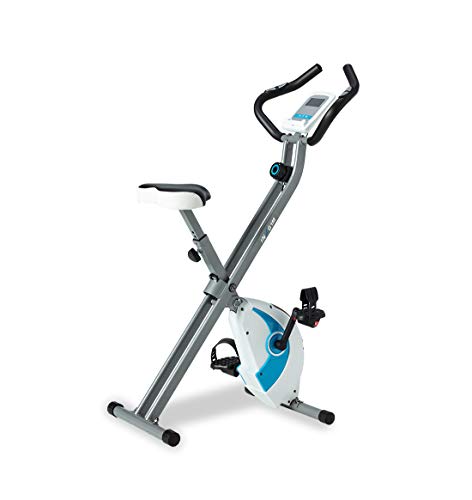
| Upright Bike | This bike looks like a conventional bicycle, with users sitting upright. It offers an intense exercise focusing on cardiovascular endurance, leg strength, and lower body toning. | Beginners to sophisticated cyclists seeking a difficult exercise. |
| Recumbent Bike | Including a reclined seat, recumbent bikes distribute weight uniformly and support the back. This position makes for a comfortable ride while engaging the lower body successfully. | People with back problems, senior users, or those looking for a lower-impact exercise. |
| Spin Bike | Spin bikes are developed for high-intensity period training (HIIT) and simulated road cycling. They feature a heavy flywheel and customizable resistance levels, ideal for extreme cycling workouts. | Fitness lovers searching for an energetic exercise and those thinking about spinning classes. |
Advantages of Using a Stationary Bike
Stationary bicycles load various advantages, making them an appealing option for fitness lovers. Here are some essential advantages:
-
Cardiovascular Health: Regular cycling improves heart health by increasing cardiovascular endurance. It promotes better circulation and reinforces the heart muscle.
-
Weight-loss and Management: Using a stationary bike burns calories, assisting individuals to shed excess weight and maintain a healthy body structure when combined with a well balanced diet plan.
-
Low Impact on Joints: Stationary bikes provide a low-impact exercise that lowers stress on the knees and joints compared to running or even walking, making them suitable for individuals of all fitness levels.
-
Convenience of Indoor Exercise: With a stationary bike, users can ride regardless of the weather, removing the excuses not to exercise. This benefit significantly adds to consistency and routine formation.
-
Versatility and Variety in Workouts: Most stationary bicycles use different resistance levels and workout programs, permitting users to tailor their sessions according to individual fitness goals.
-
Muscle Toning: Cycling targets significant muscle groups in the legs, consisting of the quadriceps, hamstrings, and calves. In time, this can lead to enhanced muscle definition and strength.
Secret Features to Look for When Buying a Stationary Bike
When thinking about the purchase of a stationary bicycle For Exercise at home, it is crucial to prioritize specific features to ensure a satisfying and effective workout experience. Here are some key aspects to take into account:
-
Adjustability: Look for a bike with adjustable seats and handlebars to accommodate different body sizes and make sure comfort during usage.
-
Resistance Levels: Opt for a bike that provides a vast array of resistance settings, enabling for progressive intensity increases as fitness levels improve.
-
Integrated Programs: Many bikes include pre-set workout programs that assist users through regimens, offering variety and inspiration.
-
Show and Connectivity: A good display screen need to track metrics such as speed, distance, calories burned, and time. Think about bikes that can link to mobile apps or have Bluetooth capability for more engagement.
-
Weight Capacity: Ensure the bike can support your weight for optimal safety and efficiency. Most bikes list their optimum weight limit in the specifications.
-
Stability and Build Quality: A tough frame and solid building and construction are needed for achieving a comfortable and safe biking experience, especially when pushing towards greater resistance levels.
Regularly Asked Questions (FAQs)
1. How often should I utilize a stationary bike for optimal results?
For finest results, go for a minimum of 150 minutes of moderate aerobic activity or 75 minutes of vigorous activity each week, spread out throughout a number of days.
2. Can I lose weight on a stationary bike?
Yes, when combined with a well balanced diet plan, cycling can be an effective methods of burning calories and losing weight.
3. Is cycling on a stationary bike bad for my knees?
No, stationary cycling is a low-impact exercise that lessens pressure on the knees. However, it is a good idea to maintain appropriate type and change the seat height properly to avoid any excessive stress.
4. Can you construct muscle with a stationary bike?
While the main benefit of stationary bikes is cardiovascular fitness, routine use can help tone and reinforce the muscles of the legs and lower body.
5. Are stationary bicycles ideal for seniors?
Yes, they are an excellent option for elders, as they offer low-impact workouts that support cardiovascular health while being easier on the joints.
6. Just how much should I invest on a stationary bike?
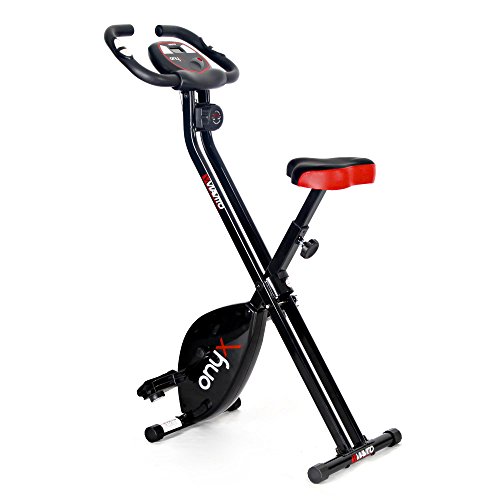
Rates can vary widely based on functions, brand, and quality. Anticipate to invest anywhere from ₤ 200 to ₤ 2,000. Set your spending plan according to your requirements and designated usage.
Stationary bicycles represent a versatile and effective fitness tool that can accommodate users of all fitness levels. With a variety of choices available, comprehending the types, advantages, and features can empower individuals to make informed options. By incorporating stationary cycling into a fitness routine, users can boost their cardiovascular health, keep a healthy weight, and enjoy the benefit of indoor cycling whenever they prefer. Whether you’re a novice or a sophisticated bicyclist, a stationary bicycle can be an invaluable addition to any fitness routine.