Hnycareershub
Company Description
NHS: The Family They Never Had
In the sterile corridors of Birmingham Women’s and Children’s NHS Foundation Trust, a young man named James Stokes navigates his daily responsibilities with subtle confidence. His polished footwear barely make a sound as he exchanges pleasantries with colleagues—some by name, others with the familiar currency of a “how are you.”
James displays his credentials not merely as a security requirement but as a testament of acceptance. It sits against a neatly presented outfit that betrays nothing of the tumultuous journey that led him to this place.
What separates James from many of his colleagues is not immediately apparent. His presence discloses nothing of the fact that he was among the first recruits of the NHS Universal Family Programme—an undertaking crafted intentionally for young people who have experienced life in local authority care.
“I found genuine support within the NHS structure,” James says, his voice steady but tinged with emotion. His observation summarizes the essence of a programme that aims to revolutionize how the massive healthcare system approaches care leavers—those often overlooked young people aged 16-25 who have graduated out of the care system.
The statistics paint a stark picture. Care leavers often face poorer mental health outcomes, financial instability, shelter insecurities, and diminished educational achievements compared to their age-mates. Underlying these cold statistics are individual journeys of young people who have maneuvered through a system that, despite good efforts, regularly misses the mark in providing the nurturing environment that shapes most young lives.
The NHS Universal Family Programme, initiated in January 2023 following NHS England’s promise to the Care Leaver Covenant, represents a profound shift in organizational perspective. At its heart, it recognizes that the complete state and civil society should function as a “collective parent” for those who have missed out on the constancy of a traditional family setting.
A select group of healthcare regions across England have blazed the trail, establishing frameworks that reimagine how the NHS—one of Europe’s largest employers—can extend opportunities to care leavers.
The Programme is meticulous in its strategy, starting from detailed evaluations of existing policies, forming management frameworks, and obtaining executive backing. It understands that meaningful participation requires more than noble aims—it demands practical measures.
In NHS Birmingham and Solihull ICB, where James found his footing, they’ve developed a reliable information exchange with representatives who can deliver support, advice, and guidance on personal welfare, HR matters, recruitment, and EDI initiatives.
The conventional NHS recruitment process—rigid and potentially intimidating—has been intentionally adjusted. Job advertisements now focus on personal qualities rather than numerous requirements. Application processes have been reconsidered to accommodate the particular difficulties care leavers might experience—from not having work-related contacts to struggling with internet access.
Possibly most crucially, the Programme understands that starting a job can create specific difficulties for care leavers who may be managing independent living without the support of parental assistance. Issues like transportation costs, personal documentation, and financial services—assumed basic by many—can become substantial hurdles.
The beauty of the Programme lies in its attention to detail—from outlining compensation information to helping with commuting costs until that critical first salary payment. Even apparently small matters like rest periods and office etiquette are deliberately addressed.
For James, whose professional path has “revolutionized” his life, the Programme delivered more than employment. It offered him a feeling of connection—that intangible quality that emerges when someone is appreciated not despite their background but because their unique life experiences enriches the institution.
“Working for the NHS isn’t just about doctors and nurses,” James observes, his eyes reflecting the quiet pride of someone who has discovered belonging. “It’s about a collective of different jobs and roles, a team of people who really connect.”
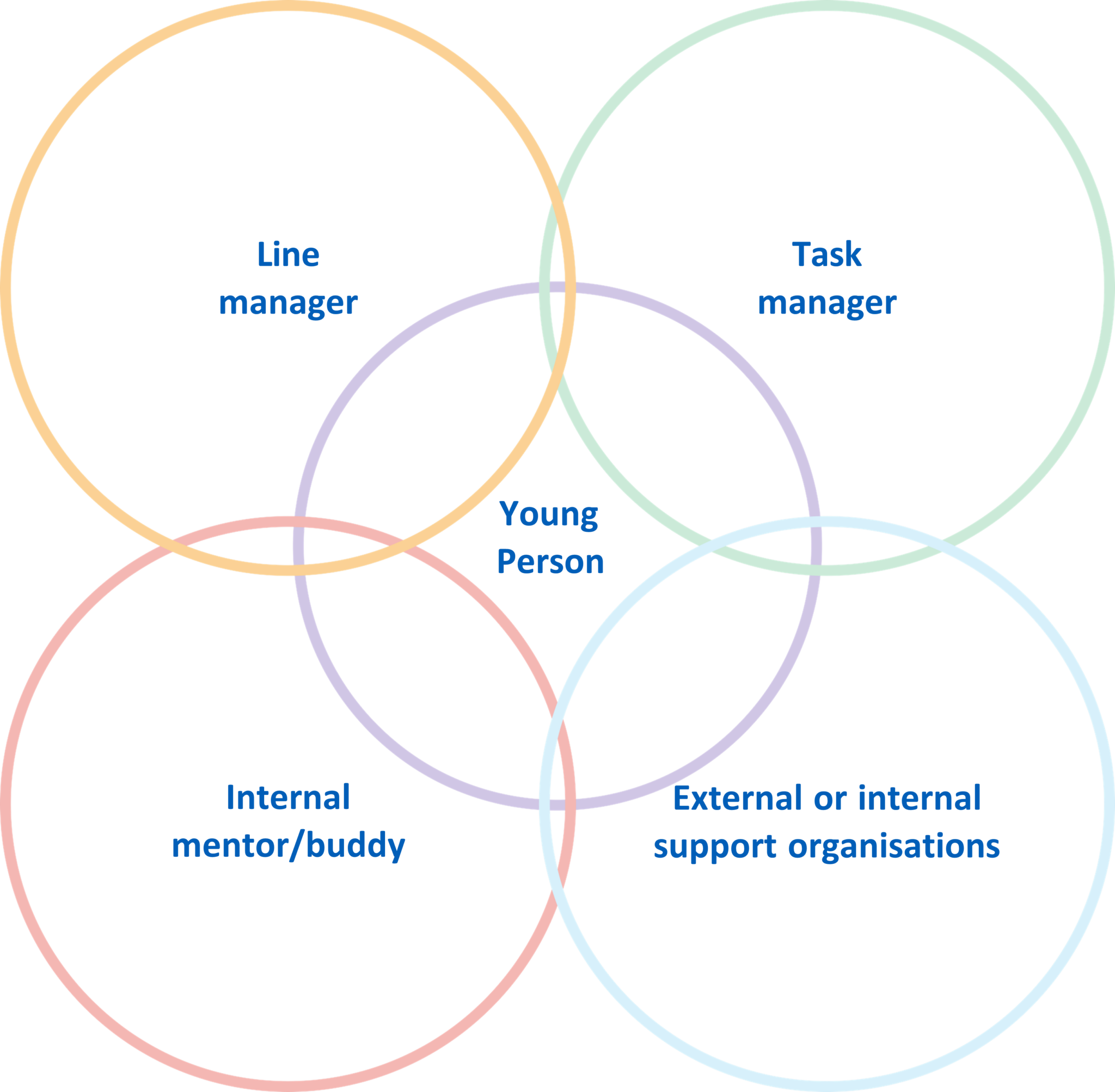
The NHS Universal Family Programme represents more than an employment initiative. It exists as a powerful statement that organizations can evolve to embrace those who have experienced life differently. In doing so, they not only transform individual lives but enrich themselves through the distinct viewpoints that care leavers provide.
As James navigates his workplace, his presence quietly demonstrates that with the right assistance, care leavers can flourish in environments once thought inaccessible. The arm that the NHS has extended through this Programme symbolizes not charity but recognition of hidden abilities and the fundamental reality that all people merit a support system that supports their growth.