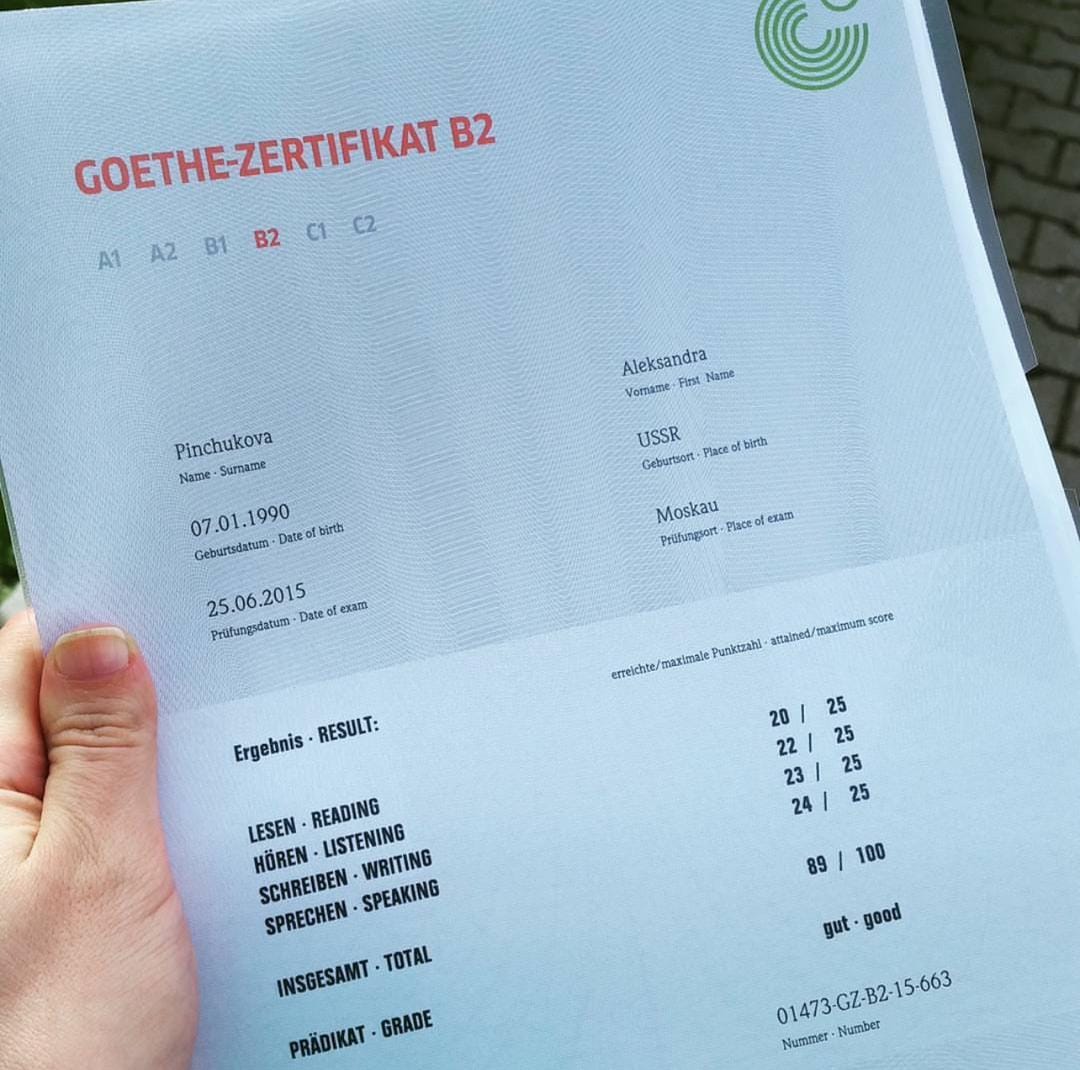
Goethe Zertifikat B2
Company Description
Goethe Certificate: 11 Thing You’re Forgetting To Do
The Goethe Certificate: Unlocking German Language Proficiency
In a progressively interconnected world, language proficiency has ended up being an important property for people looking for to boost their profession potential customers, cultural understanding, and travel experiences. For those thinking about finding out German, the Goethe Certificate is a commonly acknowledged credential that demonstrates language efficiency and opens doors to new chances. This post will dive into the history, structure, and advantages of the Goethe Certificate, in addition to provide assistance on how to get ready for the exam.
History and Overview
The zertifikat goethe Certificate is named after Johann Wolfgang von Goethe, a popular German writer, philosopher, and statesman. The certificate is issued by the Goethe-Institut, a non-profit organization that promotes German language and culture worldwide. Founded in 1951, the Goethe-Institut has established a thorough language proficiency framework that examines language abilities in reading, writing, listening, and speaking.
Structure and Levels
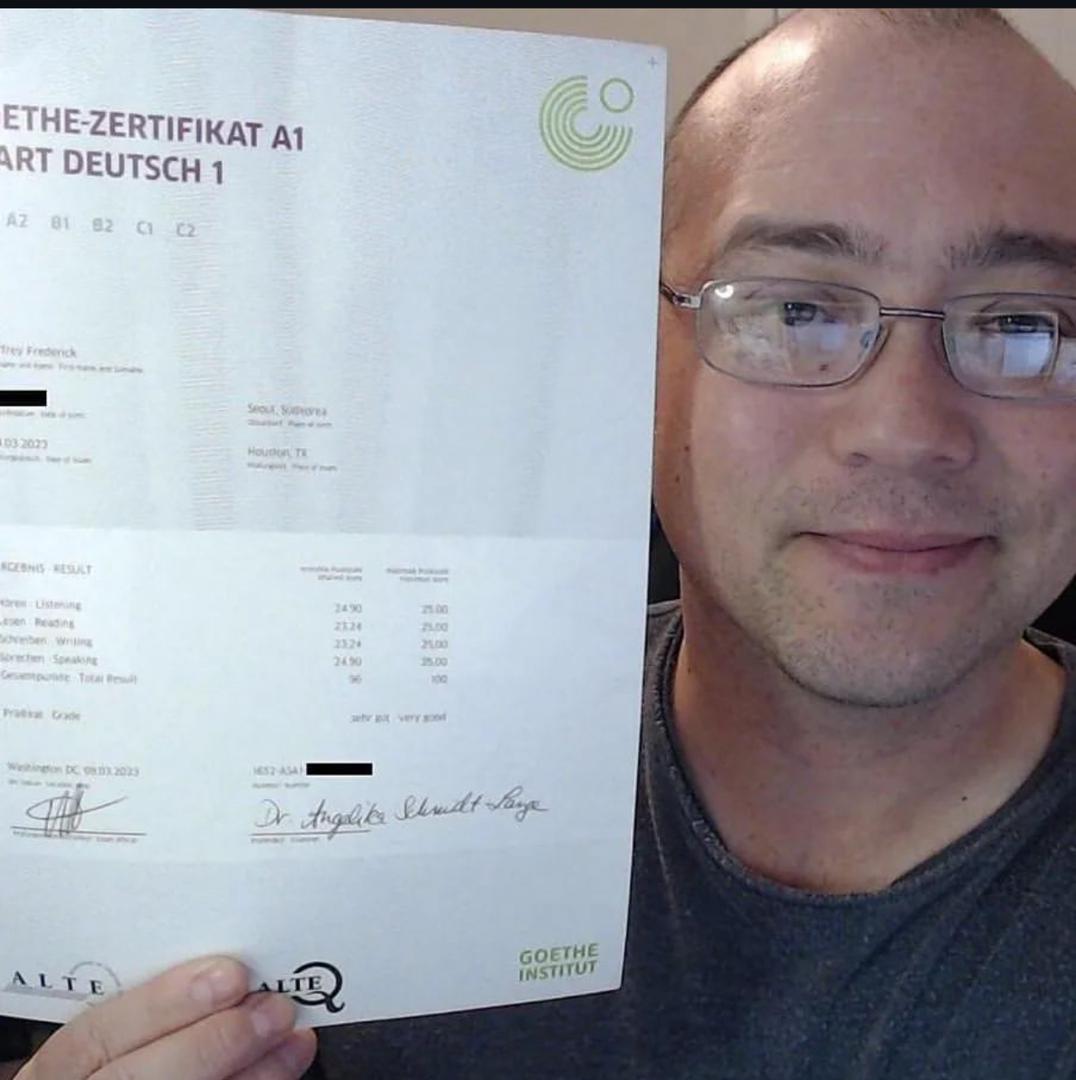
The Goethe Certificate is divided into six levels, aligning with the Common European Framework of Reference for Languages (CEFR). Each level represents an unique phase of language efficiency, from newbie (A1) to innovative (C2). The levels are:
- A1: Beginner – Basic understanding of German, capability to communicate in everyday scenarios.
- A2: Elementary – Understanding of fundamental expressions, vocabulary, and grammar.
- B1: Intermediate – Ability to interact successfully in daily circumstances, both in composing and speaking.
- B2: Upper-Intermediate – Understanding of complex texts, discussions, and discussions.
- C1: Advanced – High level of language proficiency, capability to interact fluently and precisely.
- C2: Proficient – Mastery of the German language, ability to interact intricate ideas and subtleties.
Exam Format and Content
The Goethe Certificate exam consists of 4 sections: reading, composing, listening, and speaking. The exam format and material differ depending on the level, however typically include:
- Reading: Comprehension of texts, such as posts, news, and literary excerpts.
- Writing: Writing jobs, such as essays, e-mails, and narratives.
- Listening: Audio recordings, such as discussions, lectures, and news broadcasts.
- Speaking: Face-to-face conversation with an inspector, examining pronunciation, vocabulary, and interaction abilities.
Benefits of the Goethe Certificate
The Goethe Certificate uses many benefits for individuals, including:
- Enhanced career chances: Demonstrated language efficiency is a valuable asset in the task market, especially in industries with global connections.
- Cultural understanding: Knowledge of the German language and culture can improve travel experiences, academic pursuits, and personal relationships.
- Research study and work abroad: The Goethe Certificate is typically needed for study and work programs in Germany, Austria, and Switzerland.
- Networking chances: The Goethe-Institut has a worldwide network of language students, providing opportunities for cultural exchange and expert connections.
Preparation and Resources
To prepare for the Goethe Certificate exam, people can utilize a range of resources, consisting of:
- Language courses: The Goethe-Institut provides language courses, either online or in-person, customized to each level.
- Research study materials: Textbooks, language learning apps, and online resources, such as Deutsch für Euch and DW Learn German.
- Practice tests: Sample exams and workouts, offered on the Goethe-Institut site.
Frequently asked questions
- What is the validity period of the Goethe Certificate?The Goethe Certificate is legitimate for life, however some organizations might require a more recent certificate.
- Can I take the exam online?No, the exam should be taken in individual at a designated test center.
- The length of time does the exam take?The exam duration varies depending on the level, but generally ranges from 2 to 4 hours.
- Can I retake the exam if I fail?Yes, you can retake the exam, but you must wait a minimum of 3 months.
- Is the Goethe Certificate acknowledged worldwide?Yes, the Goethe Certificate is extensively recognized by academic institutions, employers, and federal government companies around the globe.
Conclusion
The Goethe Certificate is a prestigious credential that demonstrates German language proficiency and opens doors to new opportunities. By understanding the structure, levels, and advantages of the certificate, individuals can take the primary step towards boosting their language abilities and cultural understanding. With the right preparation and resources, anyone can achieve their goal of ending up being skilled in German and opening the numerous benefits that feature it.
Additional Tips and Recommendations
- Start early: Allow a lot of time to prepare for the exam, especially if you are a novice.
- Practice consistently: Regular practice, even if it’s just a few minutes a day, is key to enhancing language skills.
- Immerse yourself in the language: Listen to German music, enjoy German motion pictures, and attempt to talk to native speakers.
- Look for assistance: Join a language exchange or find a research study partner to stay inspired and get feedback on your development.
By following these suggestions and remaining devoted, you can accomplish your goal of obtaining the Goethe Certificate and opening the many advantages that come with it.