

Exercise Bikes Home
Company Description
Are You Responsible For A Stationary Bike Budget? 12 Best Ways To Spend Your Money
The Comprehensive Guide to Stationary Bikes: Best Practices, Benefits, and FAQs
In the last few years, stationary bicycles have actually gotten immense popularity as a fundamental tool for both home and business fitness. With their capability to deliver effective cardiovascular exercises, ease of use, and the convenience of indoor cycling, these bikes suit a wide variety of fitness enthusiasts. This post intends to explore the numerous types of stationary bikes offered, their benefits, crucial functions to consider when purchasing one, and a detailed FAQ section to attend to typical queries connected to stationary biking.
Understanding the Types of Stationary Bikes
Stationary bikes usually fall under three primary classifications, each catering to different user choices and workout designs.
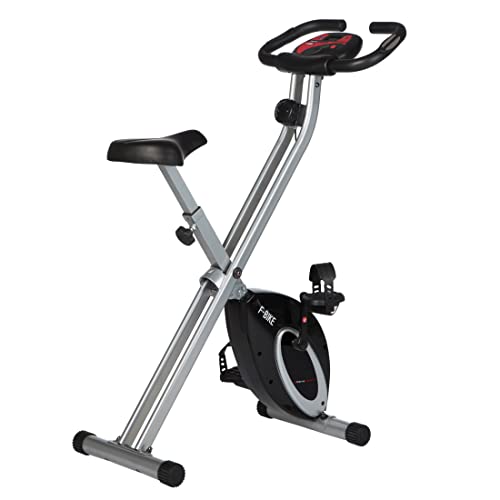
| Upright Bike | This bike looks like a conventional bicycle, with users sitting upright. It provides an intense exercise equipment For Legs focusing on cardiovascular endurance, leg strength, and lower body toning. | Beginners to sophisticated bicyclists seeking a difficult workout. |
| Recumbent Bike | Including a reclined seat, recumbent bikes disperse weight equally and support the back. This position makes for a comfortable ride while engaging the lower body efficiently. | Individuals with back problems, elderly users, or those looking for a lower-impact exercise. |
| Spin Bike | Spin bikes are created for high-intensity interval training (HIIT) and simulated roadway biking. They feature a heavy flywheel and personalized resistance levels, best for extreme biking exercises. | Fitness enthusiasts looking for a vigorous exercise and those thinking about spinning classes. |
Benefits of Using a Stationary Bike
Stationary bikes pack many advantages, making them an attractive choice for fitness lovers. Here are some necessary advantages:
-
Cardiovascular Health: Regular cycling enhances heart health by increasing cardiovascular endurance. It promotes better flow and reinforces the heart muscle.
-
Weight Loss and Management: Using a stationary bicycle burns calories, helping people to shed excess weight and maintain a healthy body structure when combined with a balanced diet plan.
-
Low Impact on Joints: Stationary bikes provide a low-impact exercise that lowers pressure on the knees and joints compared to running and even strolling, making them appropriate for people of all fitness levels.
-
Convenience of Indoor Exercise: With a stationary bike, users can ride no matter the weather, eliminating the reasons not to work out. This convenience greatly adds to consistency and habit development.
-
Flexibility and Variety in Workouts: Most stationary bicycles offer different resistance levels and workout programs, enabling users to customize their sessions according to personal fitness objectives.
-
Muscle Toning: Cycling targets major muscle groups in the legs, consisting of the quadriceps, hamstrings, and calves. With time, this can result in improved muscle definition and strength.
Key Features to Look for When Buying a Stationary Bike
When thinking about the purchase of a stationary bike, it is crucial to focus on particular features to guarantee a gratifying and effective exercise experience. Here are some essential aspects to take into account:
-
Adjustability: Look for a bike with adjustable seats and handlebars to accommodate various body sizes and make sure convenience during usage.
-
Resistance Levels: Opt for a bike that offers a vast array of resistance settings, permitting gradual intensity increases as fitness levels improve.
-
Built-in Programs: Many bikes feature pre-set exercise programs that guide users through routines, supplying range and inspiration.
-
Display and Connectivity: An excellent display screen ought to track metrics such as speed, distance, calories burned, and time. Consider bikes that can connect to mobile apps or have Bluetooth ability for additional engagement.
-
Weight Capacity: Ensure the bike can support your weight for optimal safety and performance. The majority of bikes note their optimum weight limit in the specifications.
-
Stability and Build Quality: A tough frame and solid building are necessary for attaining a comfy and safe cycling experience, especially when pressing towards greater resistance levels.
Often Asked Questions (FAQs)
1. How typically should I use a stationary bike for optimal outcomes?
For finest outcomes, go for a minimum of 150 minutes of moderate aerobic activity or 75 minutes of vigorous activity each week, spread out across numerous days.
2. Can I reduce weight on a stationary bicycle?
Yes, when combined with a well balanced diet, cycling can be an efficient means of burning calories and dropping weight.
3. Is biking on a stationary bike bad for my knees?
No, stationary cycling is a low-impact exercise that lessens stress on the knees. However, it is advisable to keep correct form and adjust the seat height properly to avoid any unnecessary stress.
4. Can you develop muscle with a stationary bike?
While the primary advantage of stationary bikes is cardiovascular fitness, routine use can help tone and reinforce the muscles of the legs and lower body.
5. Are stationary bikes suitable for senior citizens?
Yes, they are an exceptional option for seniors, as they provide low-impact exercises that support cardiovascular health while being simpler on the joints.
6. How much should I invest on a stationary bicycle?
Costs can differ extensively based upon functions, brand, and quality. Anticipate to spend anywhere from ₤ 200 to ₤ 2,000. Set your budget according to your needs and desired usage.
Stationary bikes represent a flexible and effective fitness tool that can accommodate users of all fitness levels. With an array of alternatives available, understanding the types, benefits, and features can empower individuals to make informed options. By integrating stationary biking into a fitness routine, users can improve their cardiovascular health, keep a healthy weight, and delight in the benefit of indoor biking whenever they prefer. Whether you’re a novice or a sophisticated bicyclist, a stationary bicycle can be an invaluable addition to any fitness program.