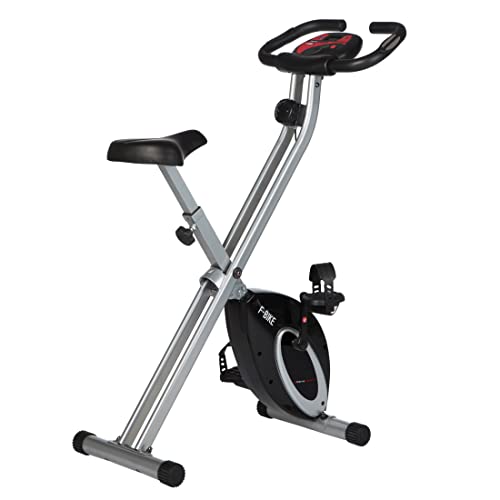
Stationary Bike Exercise
Company Description
20 Insightful Quotes About Stationary Bike
Understanding Stationary Bikes: A Comprehensive Guide
In the modern world, where fitness is becoming progressively integrated into our everyday regimens, stationary bicycles have emerged as a flexible choice for cardiovascular training. This short article explores the different types of stationary bikes, their advantages, features to think about when purchasing one, and how to integrate them into your fitness routine.
Table of Contents
- Types of Stationary Bikes
- Benefits of Using a Stationary Bike
- Functions to Consider When Buying a Stationary Bike
- Tips for Effective Cycling Workouts
- Regularly Asked Questions (FAQs)
1. Types of Stationary Bikes
There are a number of kinds of stationary bicycles readily available on the marketplace, each developed to cater to different fitness levels and choices. Below is a summary of the main types:
| Upright Bike | Features a traditional bike style. The rider sits upright. | Individuals seeking a practical cycling experience. |
| Recumbent Bike | Uses a reclined seating position with a larger seat and back assistance. | Those with back problems or those seeking comfort during workouts. |
| Spin Bike | Comparable to an upright bike however designed for high-intensity training. | Fitness enthusiasts and those wishing to imitate outdoor cycling. |
| Double Action Bike | Consists of handlebars that move, supplying an upper body workout also. | People seeking a full-body exercise. |
2. Advantages of Using a Stationary Bike
Utilizing a stationary bicycle for exercise offers various advantages for physical health and total well-being. Some of the crucial advantages include:
- Cardiovascular Fitness: Regular cycling enhances the heart, enhances flow, and boosts aerobic capability.
- Weight Management: Stationary cycling helps burn calories and preserve a healthy weight.
- Joint-Friendly: Cycling is a low-impact exercise, making it ideal for individuals with joint pain or injuries.
- Convenience: A stationary bike can be used inside, permitting workouts no matter weather condition conditions.
- Modification: Most stationary bikes offer adjustable resistance levels, accommodating different fitness levels.
3. Features to Consider When Buying a Stationary Bike
When picking a stationary bike, consider the following features to guarantee you choose the design that best suits your needs:
- Comfort: Look for a bike with an adjustable seat and handlebars to accommodate your body size.
- Resistance Levels: Check if the bike provides adjustable resistance to challenge your workouts.
- Display Monitor: A great exercise bikes display screen screen shows necessary metrics such as time, range, speed, and calories burned.
- Mobility: If space is limited, think about a bike with transport wheels for simple motion.
- Service warranty: Look for a static bike exercise cycle home [http://152.136.126.252:3000/exercise-bikes-home3243] with a detailed guarantee to secure your investment.
Comparison Table of Key Features
| Comfort | Moderate | High | Moderate | Moderate |
| Resistance Levels | Adjustable | Adjustable | Adjustable | Adjustable |
| Monitoring Display | Standard | Advanced | Fundamental | Advanced |
| Space Requirement | Low | Moderate | Moderate | Moderate |
| Cost Range | ₤ 200 – ₤ 700 | ₤ 300 – ₤ 800 | ₤ 300 – ₤ 900 | ₤ 400 – ₤ 900 |
4. Tips for Effective Cycling Workouts
To optimize your stationary bike workouts, consider the following tips:
- Warm Up: Start with a 5-10 minute warm-up at a low resistance level before increasing intensity.
- Stay Hydrated: Keep a water bottle close-by and take sips throughout your exercise machine.
- Differ Your Workouts: Incorporate interval training by alternating in between high-intensity bursts and recovery durations.
- Listen to Music or Watch Television: Engaging your mind can help make exercises more enjoyable and disruptive.
- Track Your Progress: Keep a log of your workouts and note enhancements over time to stay determined.
5. Regularly Asked Questions (FAQs)
1. How long should I use a stationary bike for effective exercises?
For optimal outcomes, go for 150 minutes of moderate aerobic activity weekly, which can be divided into 30-minute sessions five times a week.
2. Are stationary bicycles ideal for newbies?
Yes, stationary bikes are ideal for novices due to their adjustable resistance and low-impact nature, making them simple to utilize at any fitness level.
3. Can stationary cycling help with weight-loss?
Definitely! Routine usage of a stationary bike, combined with a well balanced diet plan, can substantially add to weight reduction efforts by burning calories.
4. What should I use when using a stationary bike?
Use comfortable, moisture-wicking clothes and supportive athletic shoes to make sure an enjoyable workout experience.
5. Is it better to utilize a stationary bike or a treadmill for cardio?
It depends upon personal choice and fitness goals. Stationary bicycles are lower effect and easier on the joints, whereas treadmills can supply weight-bearing workouts that might strengthen bone health.
Stationary bicycles are a wonderful way to include cardiovascular mini exercise bike into everyday routines. With different types readily available, in addition to distinct benefits and functions, selecting the ideal bike can boost fitness levels and enhance general well-being. By understanding the functionality of these devices and integrating them into regular exercises, individuals can cultivate a healthier lifestyle with each pedal exerciser stroke.